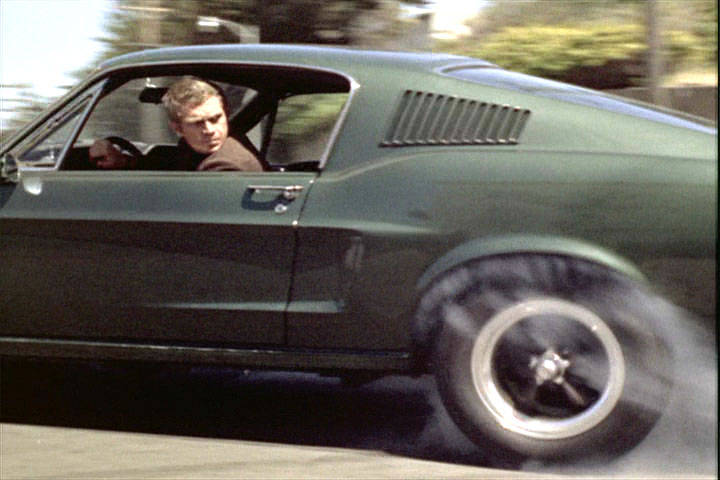
 For part two of 'The Cars of McQueen', we decided to look at the Ford Mustang fastback that Steve McQueen drove in the 1968 film Bullitt.
A car that in many ways represents all that we love about automobiles, follow the link for a bit more info on Steve McQueen's 'Bullitt' Mustang and a look at the chase scene that made the car so famous... [read more]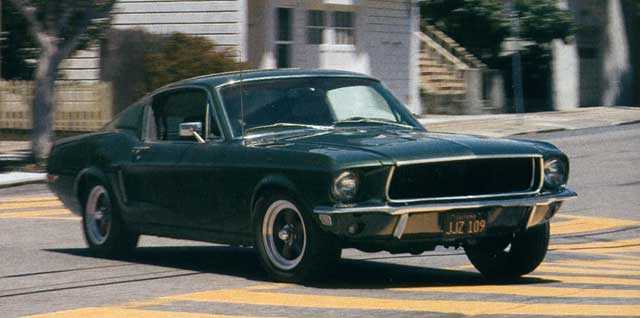 Two 1968 Ford Mustangs were used for the filming of Bullitt's infamous chase scene, both of which were owned by the Ford Motor Company and were on loan to Warner Bros. The cars suspension, brakes and engines were heavily modified by veteran race car driver Max Balchowsky, which allowed the Mustangs to perform on the hills of San Francisco. Additionally, two Ford Galaxies had been on loan from Ford, however the producers found the cars to be too heavy to perform as needed, and opted for a pair 1968 Dodge Charger's which the studio purchased from Glendale Dodge in Glendale, California.
  Though it is believed Steve McQueen performed much of the stunt driving for Bullitt's chase scene, the films stunt coordinator, Carey Loftin, had actually hired famed stuntman and motorcycle racer Bud Ekins, to perform the majority of dangerous stunts in the Mustang.
Featured above is the infamous chase scene through the streets of San Francisco... Having become an accomplished race car driver, competing in the 12 Hours of Sebring as well as the 24 Hours of Le Mans, Steve McQueen brought his love of motor sport to the silver screen. The cars he drove, both on and off the screen, helped define not only who he was, but the lasting impression he would leave on us all.
Steve McQueen's 1968 Ford Mustang, all muscle, no bullshit. Just the way we like it!
Stay tuned for part three of 'The Cars of McQueen'
Editorial: Justin Coffey
5.20.2009
THE CARS OF MCQUEEN [PART 2] // 1968 'BULLITT' MUSTANG
5.22.2009
THE CARS OF MCQUEEN [PART 3] // 1957 JAGUAR XK-SS
 For part three of ‘The Cars of McQueen,’ we decided to have a look at Steve McQueen’s 1957 Jaguar XK-SS. Based on Jaguars D-Type, the XK-SS featured a 3.4-liter DOHC straight six, which was fed by a trio of Weber carbureators and produced 250bhp at 6,000 RPM... [read more]
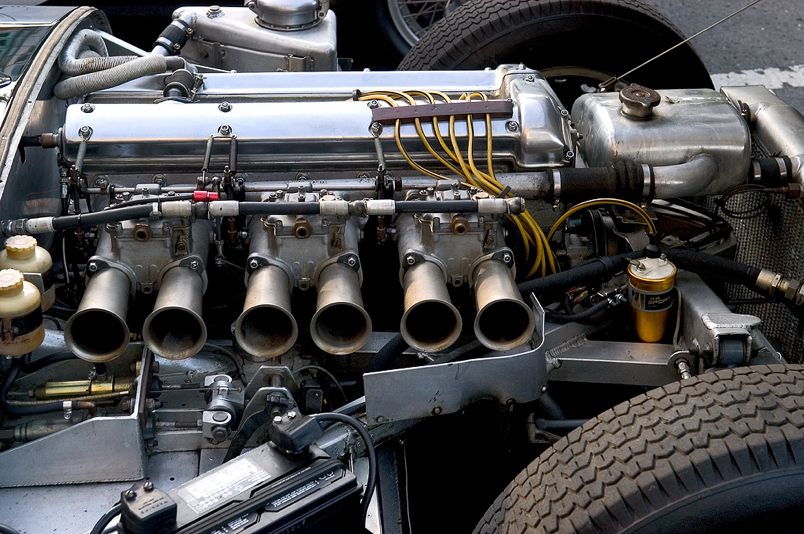 Here is a look at the XK-SS engine bay with the triple Weber setup.
 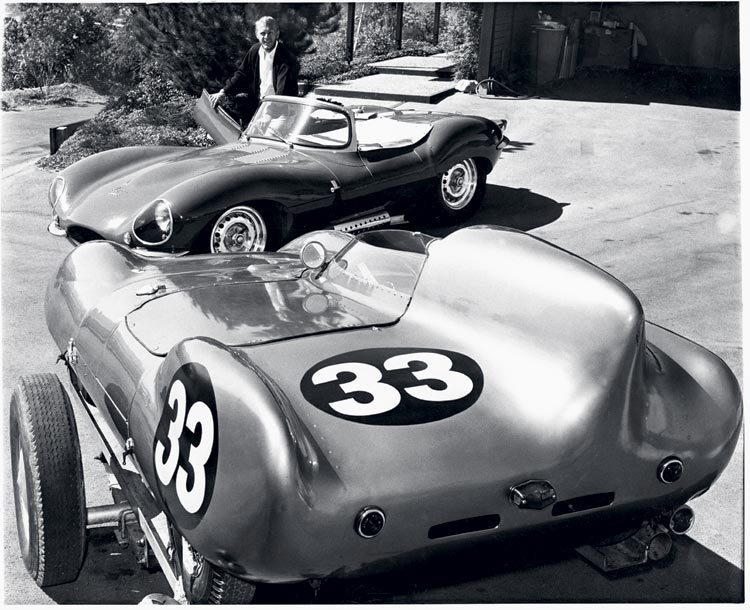 The body of McQueen’s XK-SS was an all aluminum monocoque, which featured an aerodynamically shaped underbody to reduce drag. Unlike the D-Types made famous at Le Mans, McQueens XK-SS did not come equipped with an asymmetrical fin behind the drivers seat.
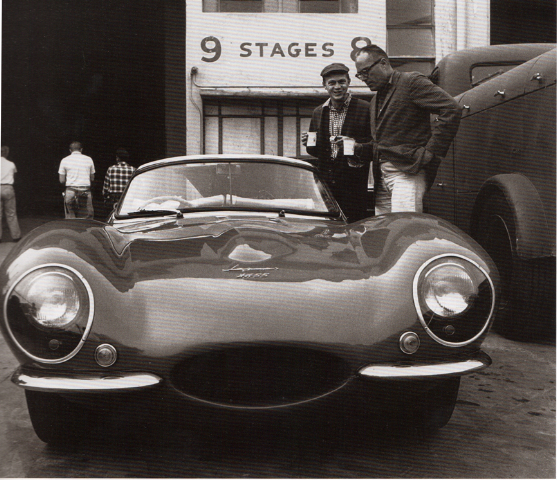 McQueen's Jaguar XK-SS (D-Type chassis number 569) was originally purchased by building contractor James Peterson, who lived in Altadena, California. It was then sold to Bill Leyden, who often parked the Jaguar at his studio on Sunset Boulevard, where McQueen first saw the car. McQueen purchased the car from Leyden in 1958 for $5,000 and it would stay in his possession until 1967 when he sold it to car collector William F. Harrah.
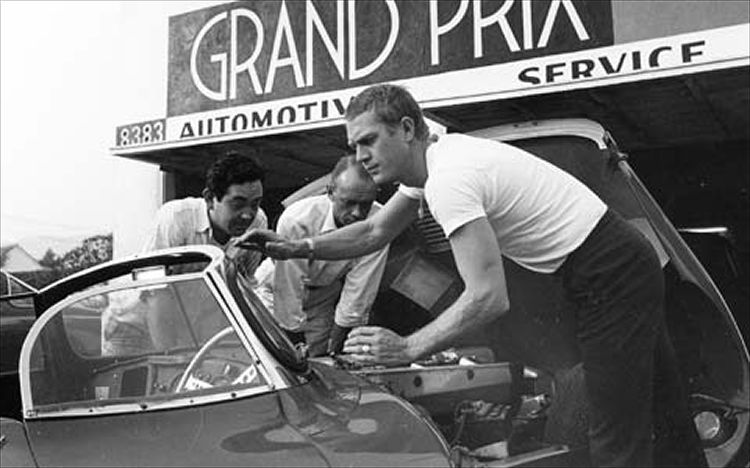 However after a decade without the car, McQueen began a two-year negotiation with Harrah hoping to acquire the Jaguar once again. The deal worked in McQueen's favor and he would maintain possession of the XK-SS until his death in 1980.
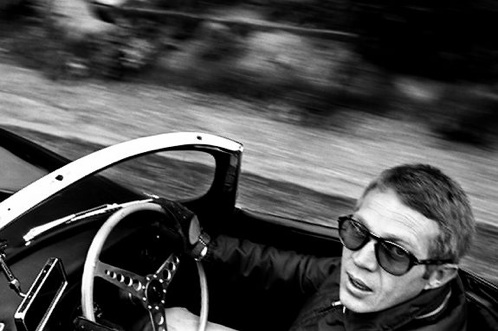 In 1984 the XK-SS was sold at McQueen's estate auction to friend and former neighbor, Richard Freshman, for a reported $148,000. It was then sold to its current owner, the late Robert E. Petersen and his wife Margie in 2000.
One of the more impressive cars in McQueen's collection, the Jaguar XK-SS seems to fit quite well with the 'Bullitt' Mustang and 1963 Ferrari 250 GT Lusso we featured earlier this week. Be sure and stay tuned for part four!
5.14.2009
THE CARS OF MCQUEEN [PART 1] // 1963 FERRARI 250 GT LUSSO
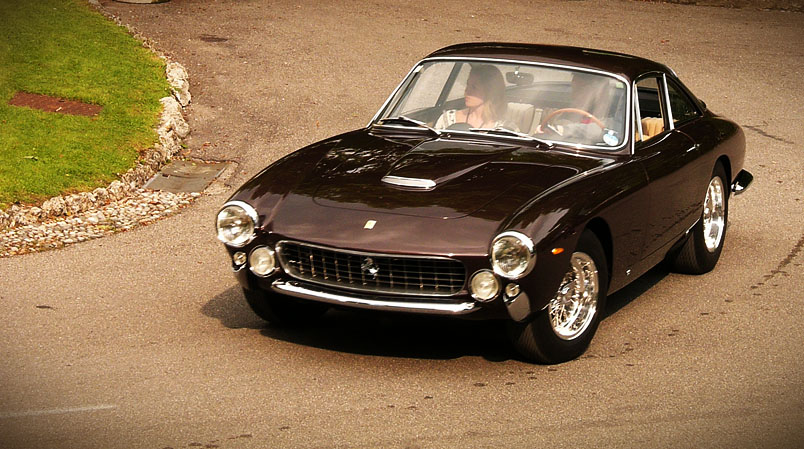 According to our sources, Brad Pitt is set to play Steve McQueen in a forthcoming film that will chronicle the actor turned race car drivers life. This, in addition to news of an Ayrton Senna biopic, has left many of us here at CTD eagerly awaiting a Summer filled with drive-in’s, late nights and a few (long) overdue motorsport films. So, in keeping with news of ‘The King of Cools’ return to the silver screen, we decided to do a bit of research into the cars that in some ways defined who and what Steve McQueen was... [read more]
 Now the obvious choice would be a 1968 Ford Mustang with a 390ci V8 and a four-speed, clad in dark green with a grill absent of any badging, but that will have to wait. The first car, in my opinion, that truly defines the depth of McQueen’s character, is his 1963 Ferrari 250GT Lusso.
  The last of Ferrari’s 250 series, the Lusso (Italian for Luxurious) was designed by Pininfarina to be a grand touring car, providing its owner with ample power and performance, while in now way compromising in terms of comfort and control.
  Beneath its aluminum skin the Lusso came equipped with a set of Borrani racing wheels, disc brakes, a suspension setup taken from Ferrari’s 250 GTO, and a 250bhp 3.0-Liter V12 fed by three dual Weber carbureators, all in a package that weighed no mor ethen 2,200-lbs.
 But beyond its motoring appeal, its gorgeous lines and stunning sound, McQueen's 1963 Lusso represented one thing, style. A car that defined the man? Maybe. Or maybe the man defined the car... Stay tuned for part two!
Editorial: Justin Coffey
11.24.2009
EVENT // NW PORSCHE CLUB 50TH ANNIVERSARY
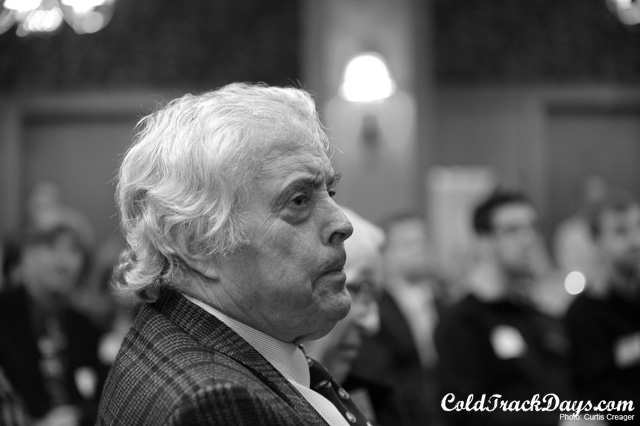
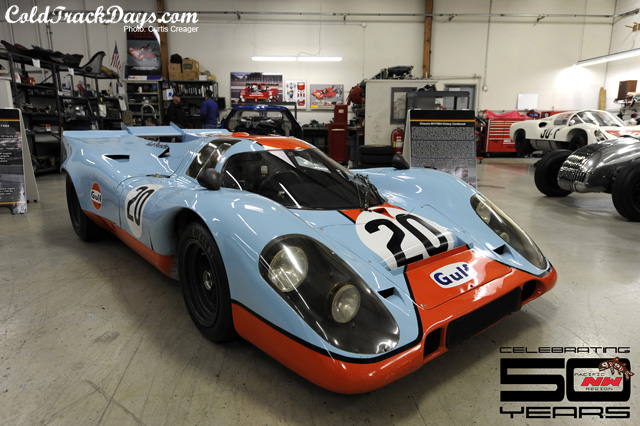 The Pacific NW Region of the Porsche Club of America celebrated its 50th anniversary on November 14th and kicked off the day with a private viewing of the famous Porsche 917K # 20, chassis# 004/017 at Vintage Racing Motors in Redmond, Washington. Brian Redman spoke about his racing career and shared his impressions of driving this 917 forty years ago... [read more]
 About 40 guests were invited to listen to Brian share his personal history, from very humble beginnings in a supercharged Morris Minor to the highs and lows of world class motor racing on nearly every continent Brian amassed three straight Formula 5000 titles, one IMSA Camel GT championship, four World Manufacturer crowns: two for Gulf Wyer, (1968 and 1970) one for Porsche (1969) and one for Ferrari (1972). He also drove for the Group 44 Jaguar team and the factory backed Aston Martin in Europe.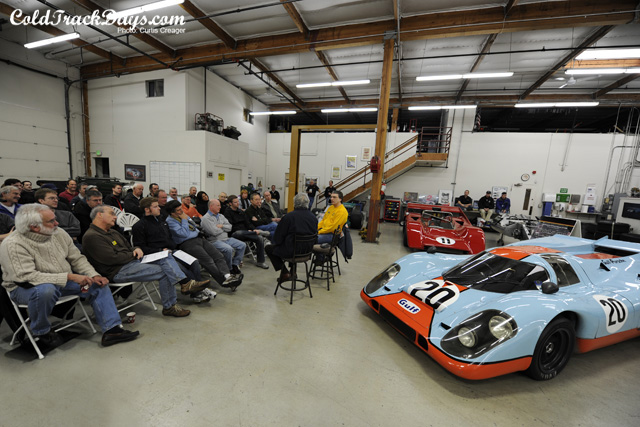
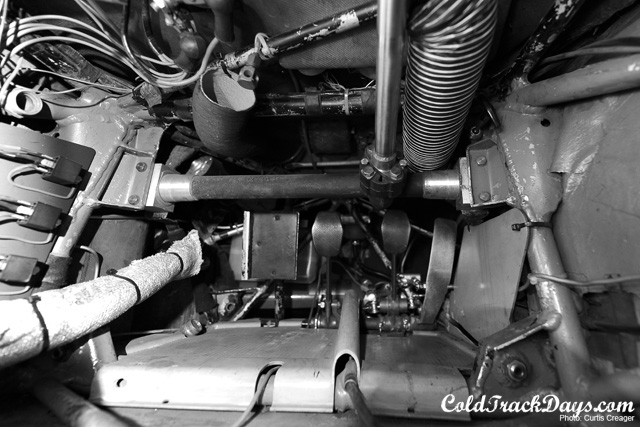
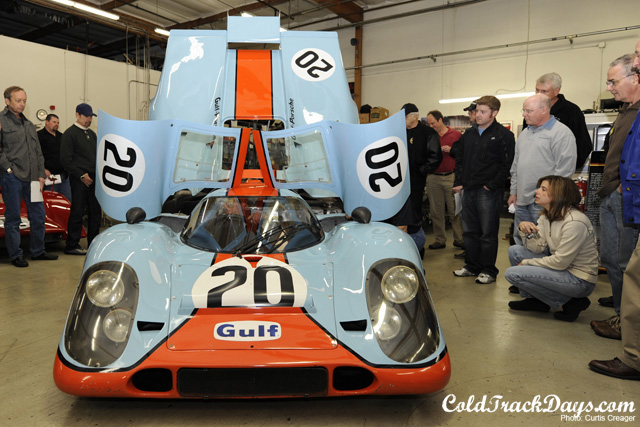 It had been four decades since Brian had the pleasure of sitting in this very same 917, chassis # 004/017 that both he and Jo Siffert drove in the 1970 24 Hours de LeMans. To the delight of the guests, the car was started and for a moment everyone got a sense of what the 917 was like (even if only at idle). The 917, with Type 912 flat-12 engine, was capable of speeds in excess of 248 mph and a 0 to 60 time of 2.5 seconds.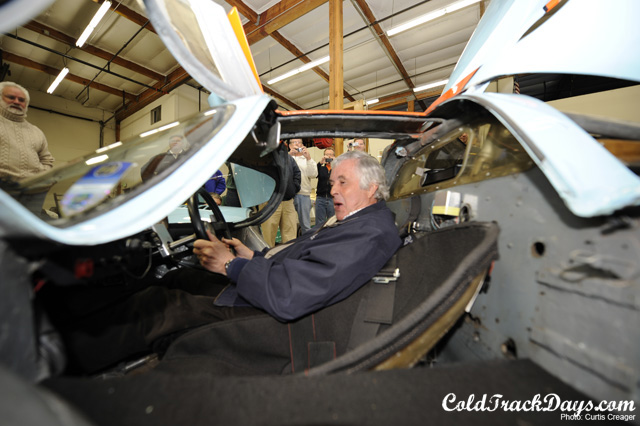
 The 917 is one of the most iconic sports racing cars of all time, largely for its high speeds and high power outputs. Though this actual car was technically entered into the race, it was made into a movie star by Steve McQueen in his 1971 film Le Mans. The Porsche 917 is the racecar that gave Porsche its first overall wins at the 24 Hours of Le Mans in 1970 and 1971.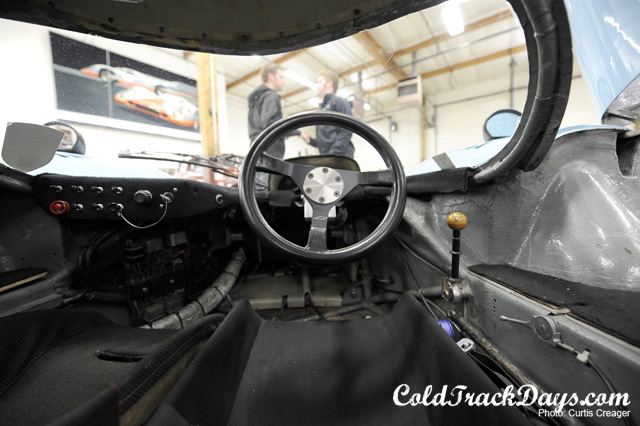
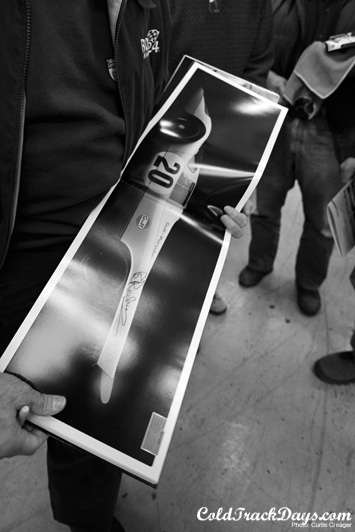 The evening events took place at the historic Rainier Club in downtown Seattle. There was sumptuous food, two fascinating speakers from the world of motorsports (Brian Redman and Garth Stein), a room full of club memorabilia, numerous special guests from Porsche Club North America as well as live music and dancing to the Emily McIntosh Quartet. It was indeed a once in a lifetime evening thoroughly enjoyed by all attendees.

 For a look at more photos from the 50th anniversary of the Northwest Region of the Porsche Club of America, click here
Photo/Editorial: Curtis Creager
12.08.2009
HISTORY // STEVE MCQUEEN ON THE PORSCHE 911
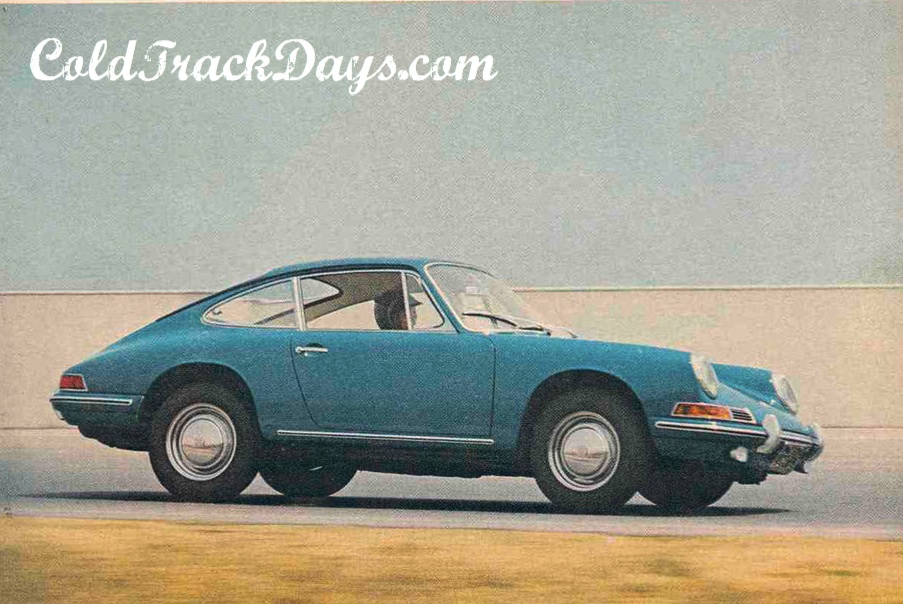 When Porsche released their new 911 sports car in 1966, Sports Illustrated asked guest automotive reviewer and star of the silver screen, Steve McQueen, to have a go in the new rear engined German automobile. Known for his interest in sports cars and having previously reviewed cars for Sports Illustrated, to include the latest models from Aston Martin, Ferrari, Alfa Romeo, Mercedes-Benz, Jaguar, and the latest Cobra and Corvette, McQueen was more than happy to review the new 911.
What follows is an excerpt from that article... [read more]
“Like the 230SL, the other German car, the Porsche 911, was a six. The Mercedes straight-six is in the front. The Porsche flat-six, with horizontally opposed cylinders—an engine developed from the Grand Prix car of a few seasons ago—is in the rear. I was curious to see how much the Porsche had changed since I raced my Super, which had the four-cylinder engine. Boy, it’s changed. Road noise used to be a problem with that rear-engine location, but on the 911 I got very little noise. The old Porsches had that violent oversteer tendency, and they would get out of whack with no warning. You’d be hung out and locked in your steering with nowhere to go. We used to decamber the rear wheels 2?° to 3?°, so they kind of looked like somebody had sat on them, and toe them in half a degree to get a certain amount of stability. Now the problem has been corrected. The 911 was a very neutral-handling car, very docile, very pleasant to drive, and the five-speed gearbox sure was easy to use. The brakes were just fine. Once a gust of wind caught me on the back straight and slid me over a few feet, but the car didn’t get radical in its handling.
There is a four-cylinder Porsche—the less expensive 912—and I imagine it has a little more snap at low RPM than the 911 but not as much top speed. With that six the 911 honks right along.”
Images and Info: The Chicane
7.25.2009
NECESSITY // ALI MACGRAW & MY LOVE AFFAIR WITH THE MUSTANG
 After what I admit was an unnecessary amount of hype, I'd like to introduce everyone to the new ColdTrackDays project car, Ali MacGraw. Named after Steve McQueen's second wife, Ali MacGraw is, as I am sure you can tell, a 1998 Ford Mustang GT. She is Pacific Green Metallic in color, has a 4.6L V8 with a five-speed manual transmission, tan leather interior and enough horsepower to bother the neighbors and scare the girlfriend... [read more]
 For those of you that know me, a Mustang is nothing new. My first car was a fire engine red 1995 Ford Mustang with a 3.8L V6 and a five-speed transmission. After a few short months however, I felt the need to upgrade and soon found myself with two Mustangs parked in the driveway, both of which were red. The new addition, a 1994 Mustang GT, was powered by a 5.0L V8 and was euqipped with a five-speed transmission, gray leather interior and a set of 17x8 Cobra wheels.
  The love affair did not last long however, as late in October of 2003, while leaving a pre-Halloween party, I managed to stuff the front end of my Mustang into the side of a parked car, at 60 mph... Dressed as our favorite Gonzo journalist (I did mention the Halloween party, right?), I exited the car, collected my citation and watched as my beloved Mustang was towed away.
 The car was determined to be a total loss and after buying it back from the insurance company for $1500, I parked her in a covered garage space where she was to sit for three long years. From there I began what was to be an endless search for a car that could make me smile as much as the Mustang did. I bought and traded my way through nearly a dozen cars. A 1968 International Scout 800, a turbocharged EG Civic, a Nissan 240SX with an imported RB20DET motor, a 1967 MG-B roadster, a 528e BMW, a handful of Jeep Cherokee's and Grand Cherokee's, and finally, having all but given up, I settled on a 1998 Volvo V70 AWD station wagon (see the SwedeWagon).
 But now, after nearly six years of high insurance rates and sedate station wagons, I find myself at the wheel of yet another Mustang. The feeling is the same. The growl of the 4.6L V8. The cheap plastic interior bits. The huge doors and mediocre seats. The impracticality of it all. I love it. And while much has changed in my life since that night in October, I have to say, a familiar smile adorns my face when I merge onto Interstate-5, the sound of her V8 echoing off the walls of the underpass, up-shifting from second to third, fighting to keep all 4400lbs in control. It's like no other experience. It is raw power. It is old fashioned American engineering. It is impractical and self indulgent. Some might even say it is unnecessary. Yet few things in life that can affix a smile to your face as quickly. So with that, I am proud to introduce everyone to Ali MacGraw. She will be our companion, our project and potentially our ride to the Indy 500...
Stay tuned!
Photo/Editorial: Justin Coffey
7.20.2009
EVENTS // 2009 MUSTANG ROUNDUP @ BCC
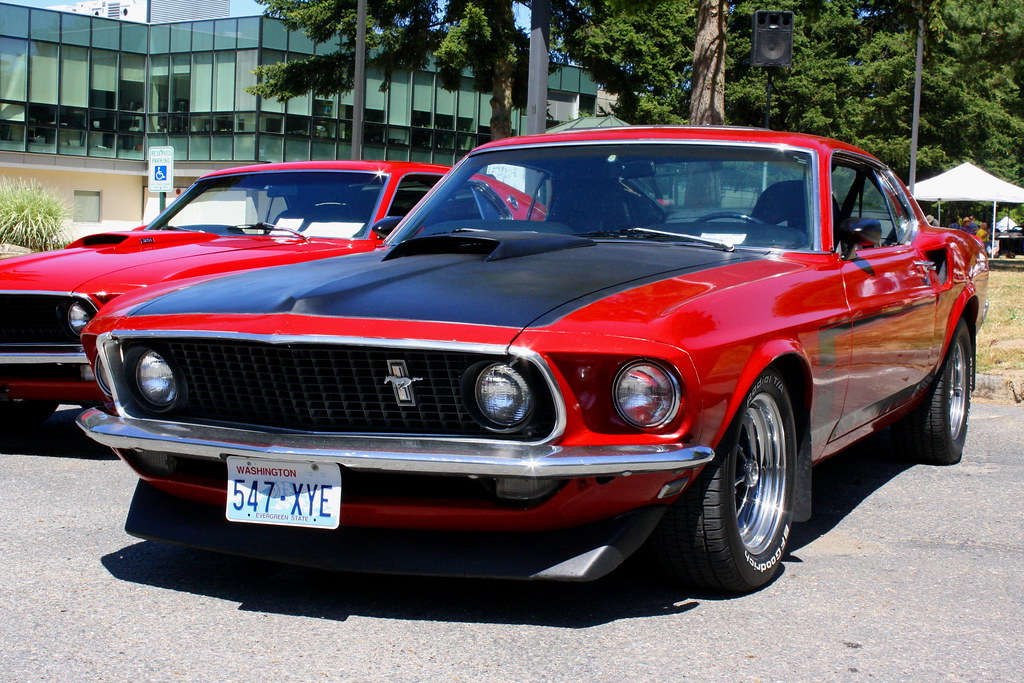 For the last 29 years, the Northwest Mustang Club has hosted their annual 'Mustang Roundup' at Bellevue Community College. Filling all of BCC's dozen or so parking lots, the cars are organized not only by year, but level of modification (or lack thereof). From the earliest examples to the 2010 Mustang GT's on display courtesy of Bickford Ford, the 2009 Mustang Roundup is certainly worth a trip across the lake and is a must for any FoMoCo enthusiast in the Northwest... [read more]
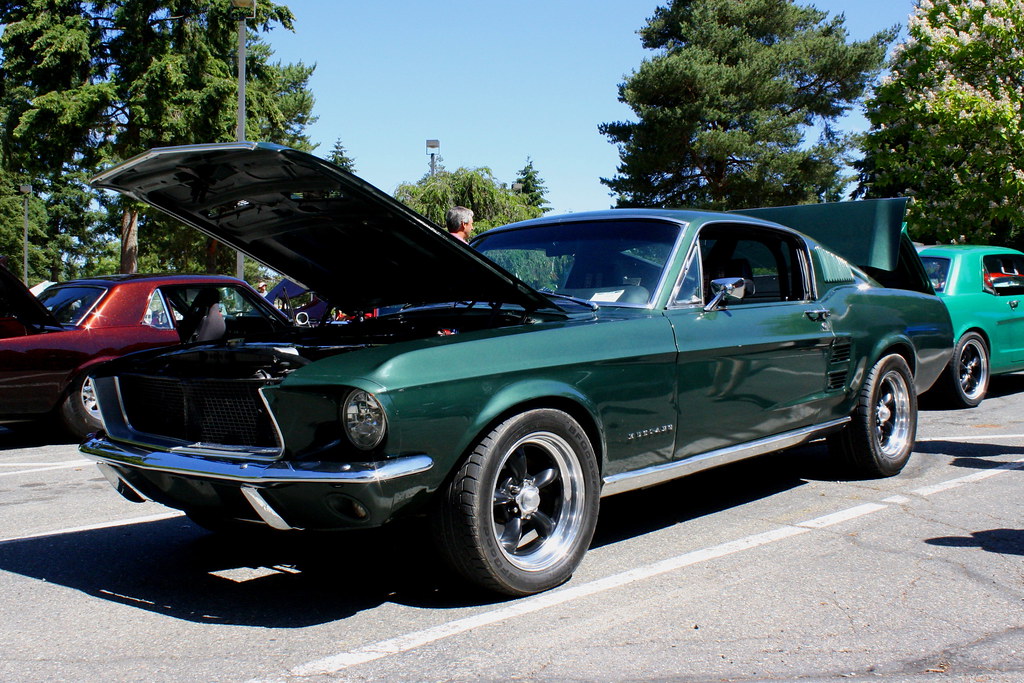 This 1968 Mustang fastback was about as close as you can get to an exact replica of the Ford made famous by Steve McQueen in the film Bullitt.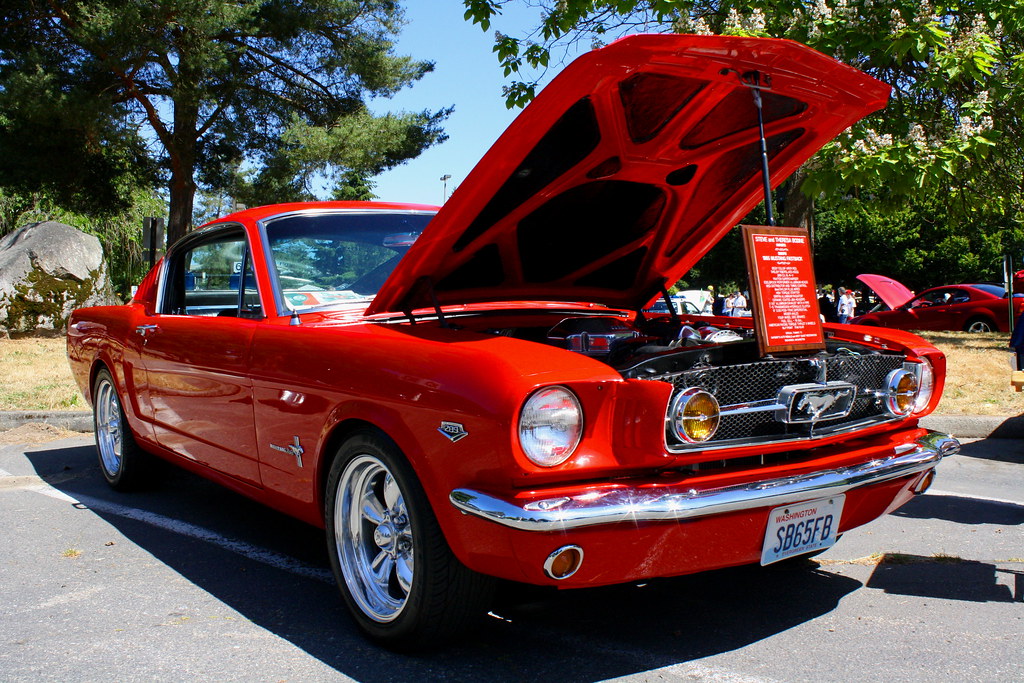
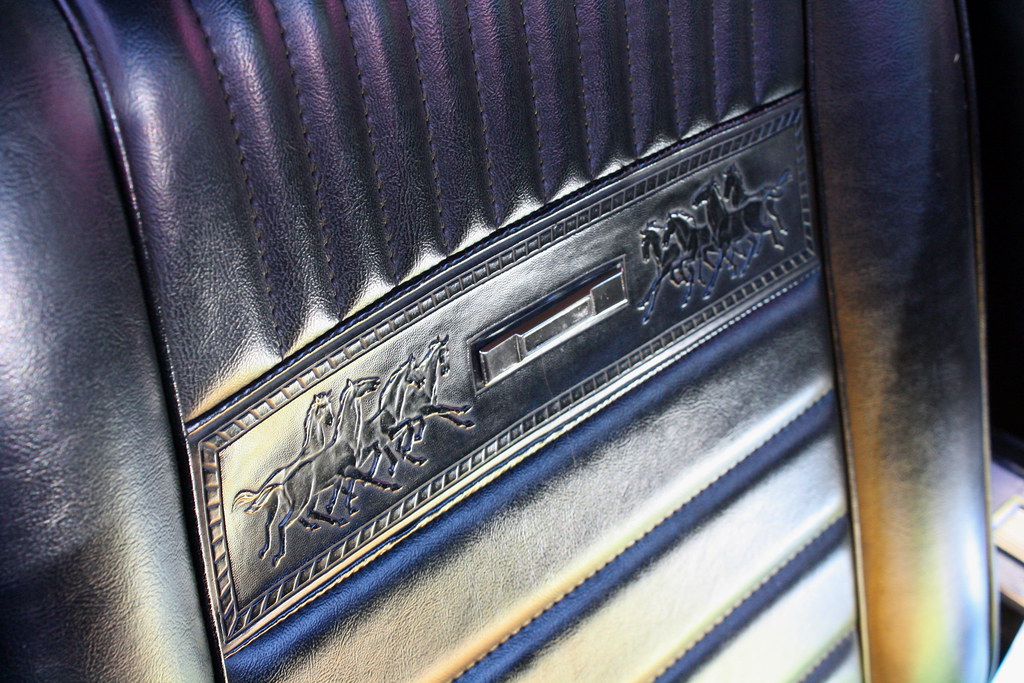
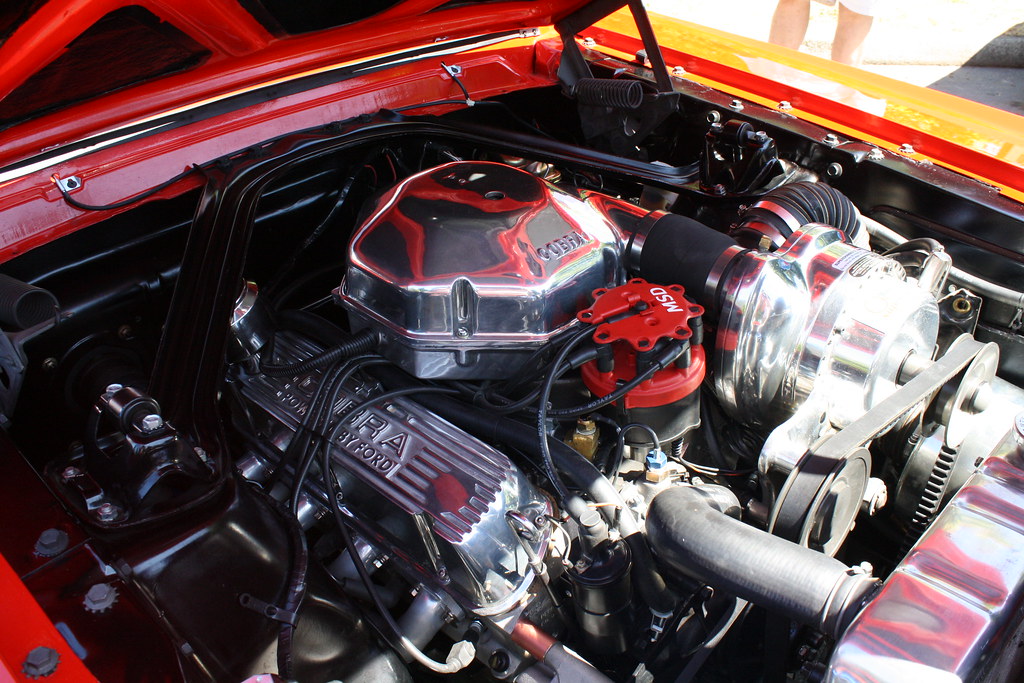 This 1965 Mustang GT is powered by a 289 c.i. V8 equipped with an original Paxton supercharger sourced from Shelby. Additional bits include an original pony interior and a set of chrome torque thrust wheels.
 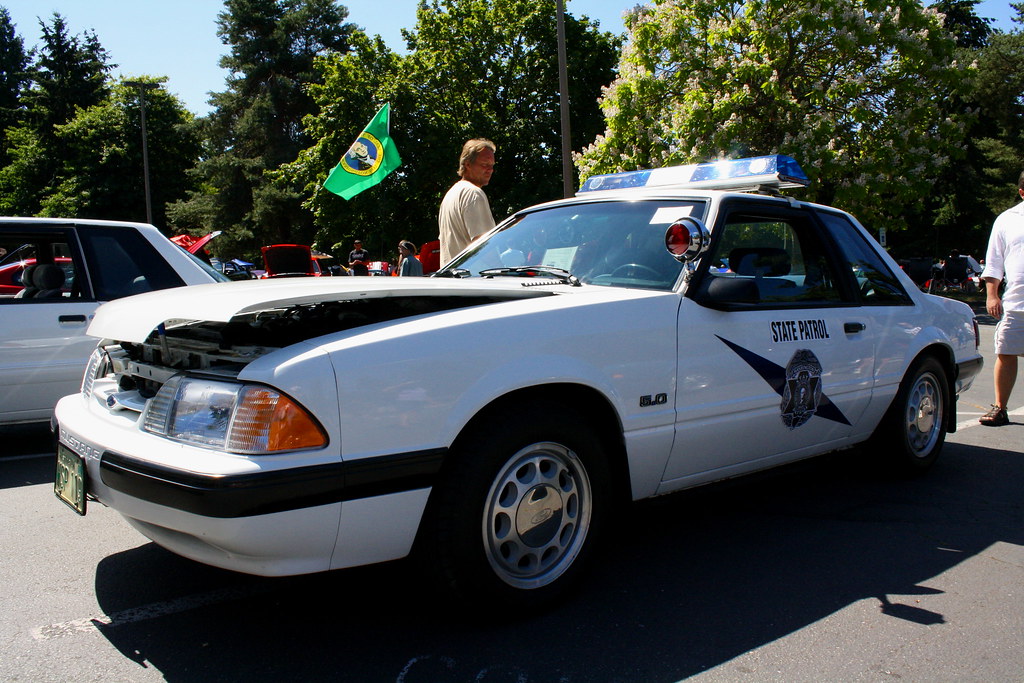 Its license plate frame read 'It takes one to catch one'...
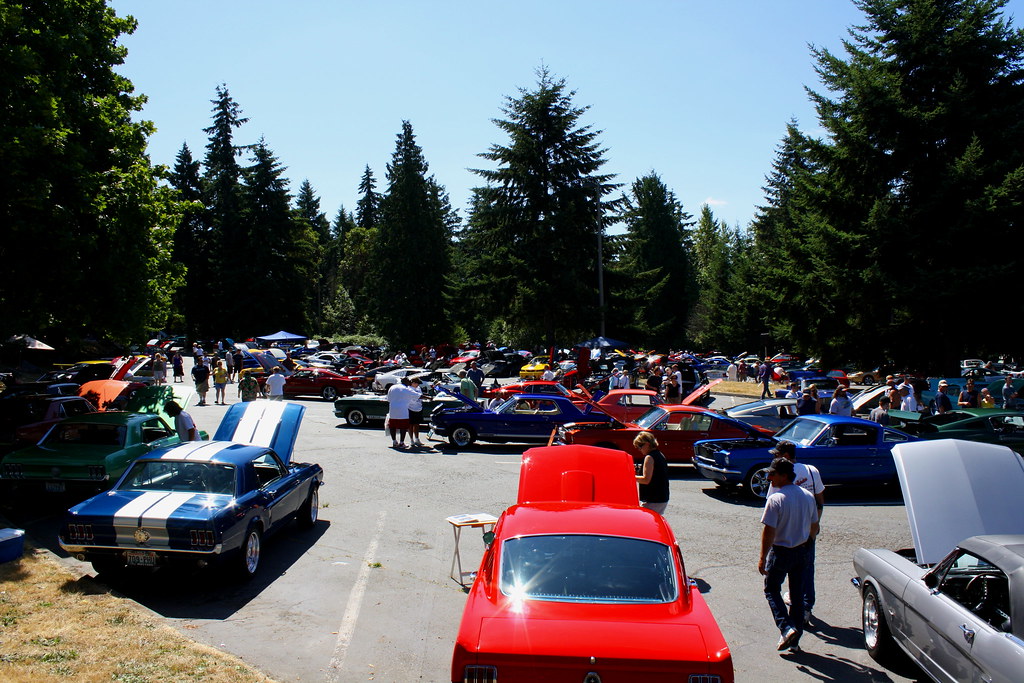 Just one of the dozen parking lots full of Ford's.
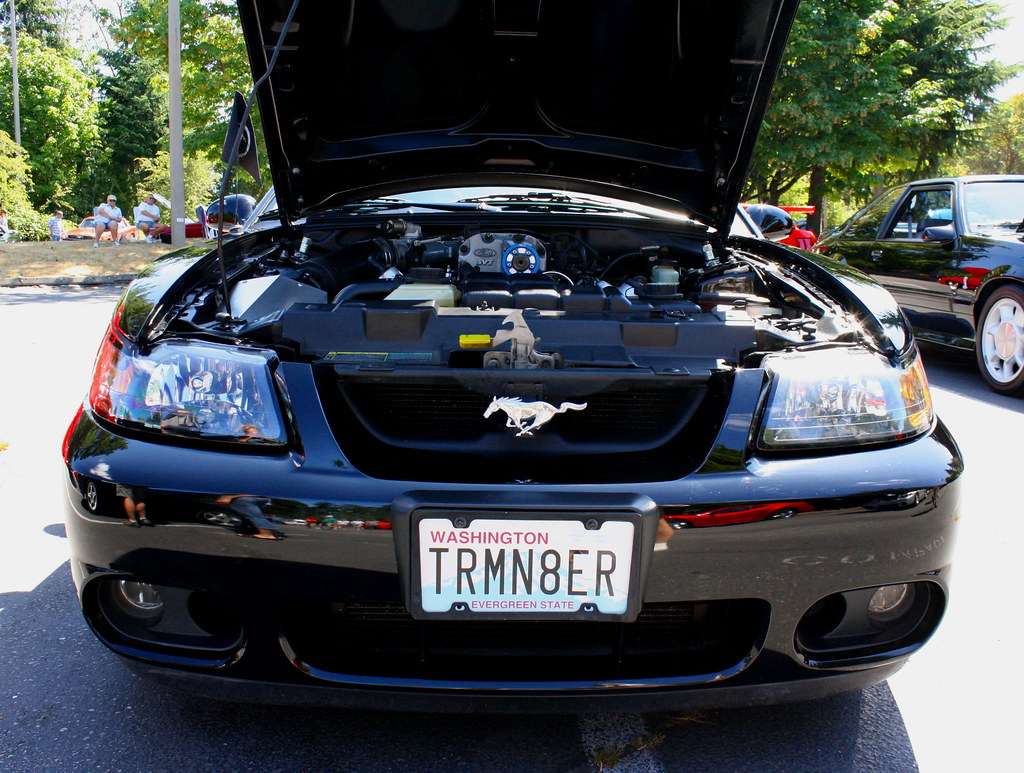 The 2003 'Terminator' Cobra, one of my favorite late model Mustangs.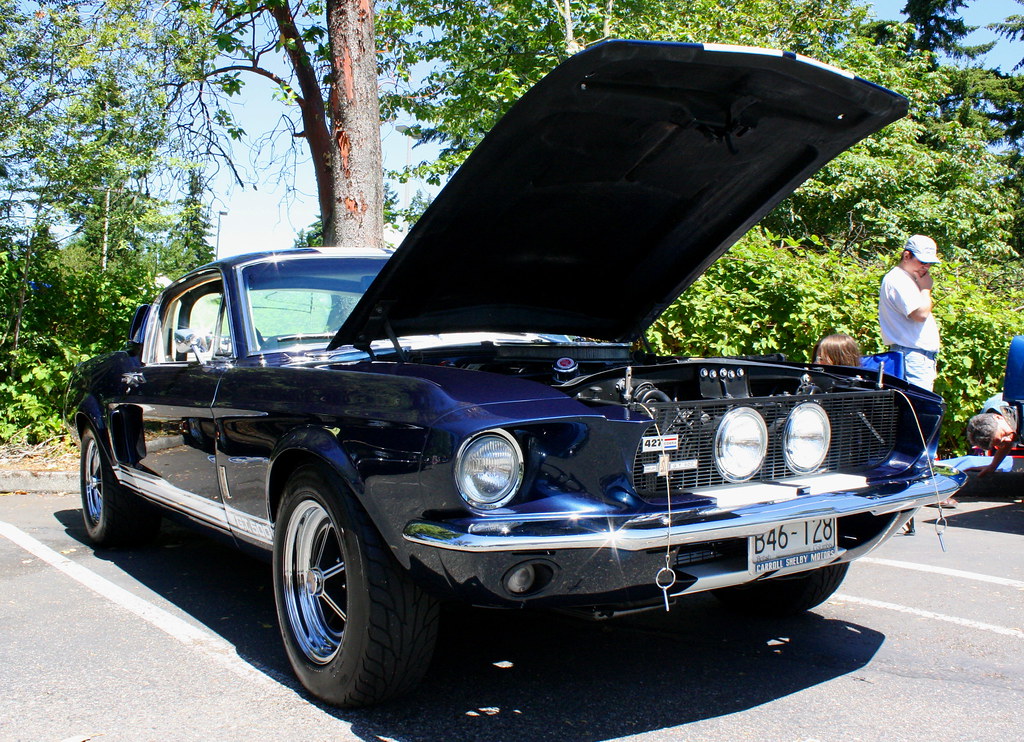
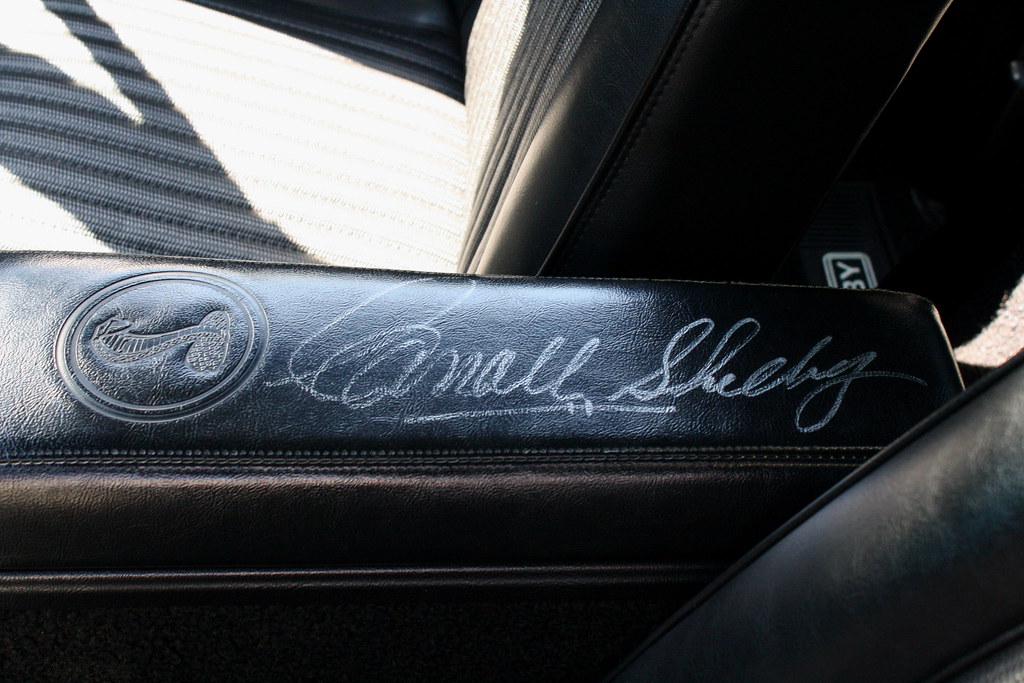
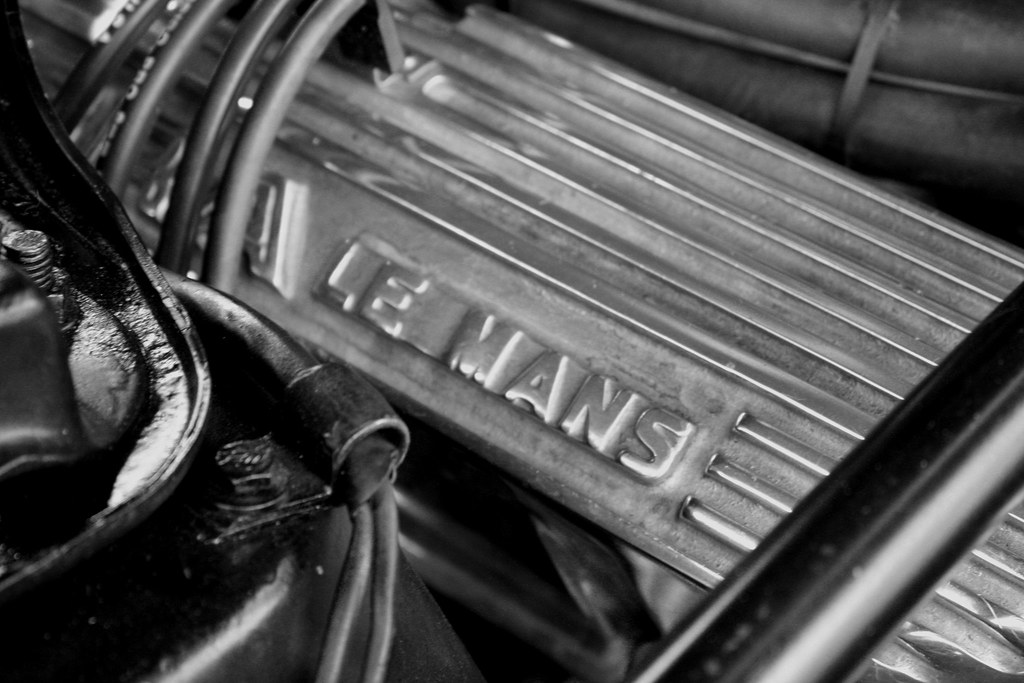 What might be one of the rarest Mustangs in existence, this 1967 Shelby GT500 is powered by adealer installed Holman & Moody 427 c.i. V8 complete with commemorative 'Le Mans' valve covers.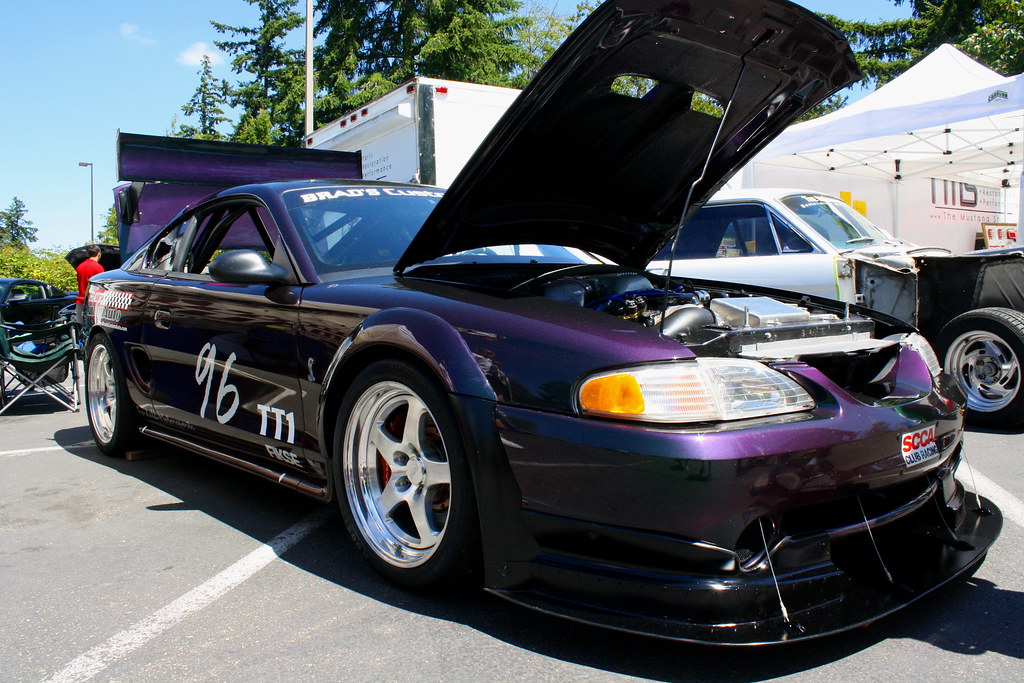
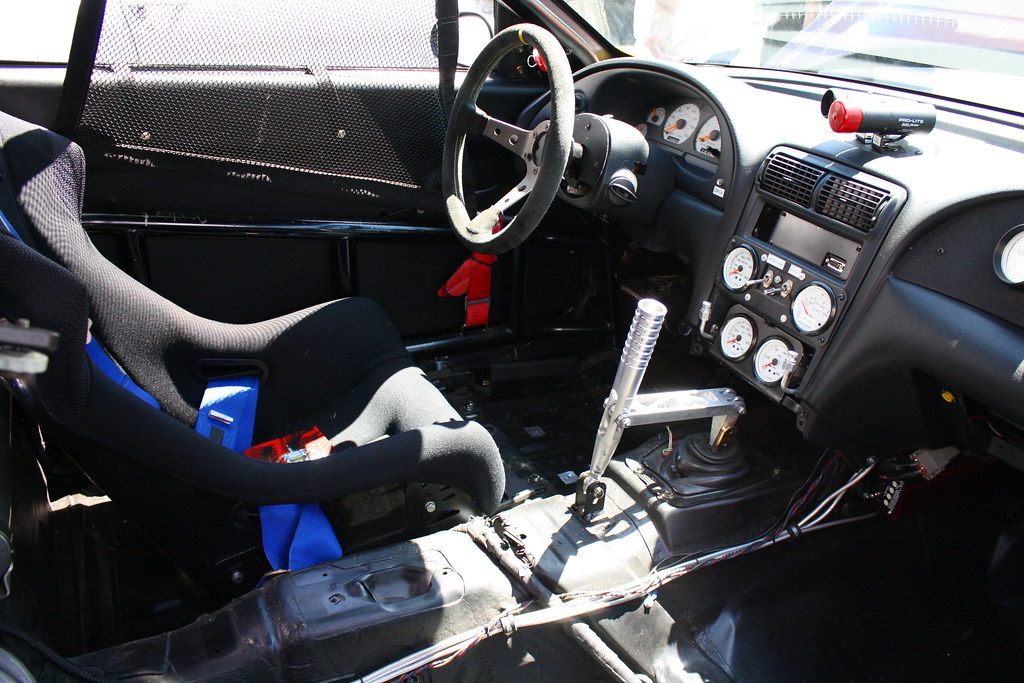 This 1996 Mystic Cobra once belonged to Brad of Brad's Custom Auto and was a class winner at the Silverstate Classic in Nevada. Powered by a Vortech supercharged, DOHC 4.6L V8 making 630bhp, it's no surprise Brad was able to take this thing well over the 200mph mark.
 A huge collection of Saleen Mustang's were on hand...
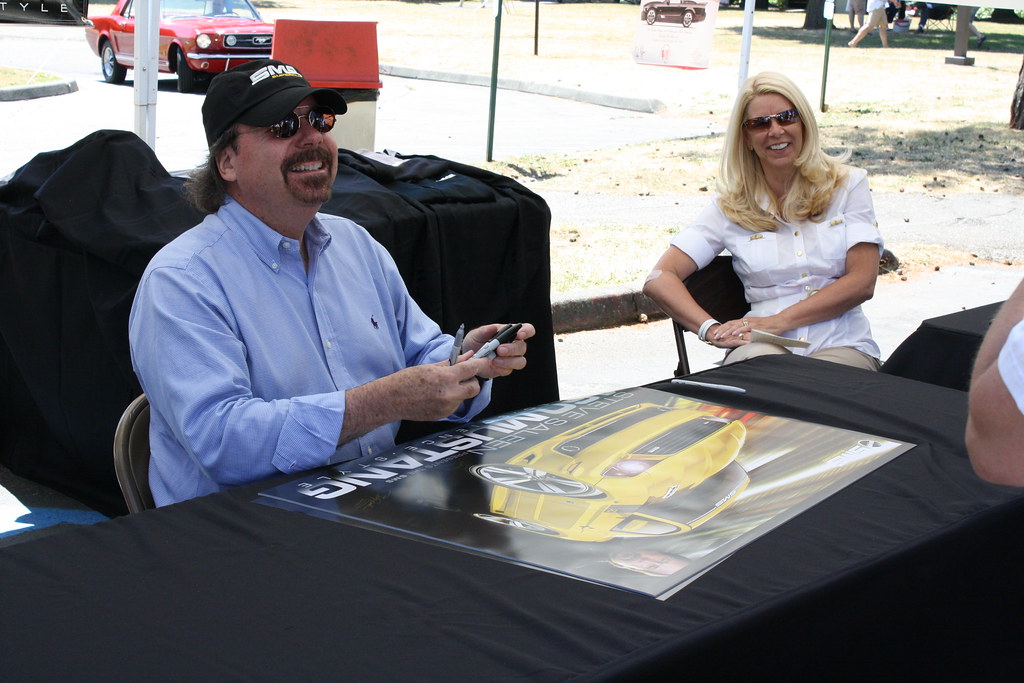 As was Steve Saleen!
Click here for a look at more photos from the 2009 Mustang Roundup
Photo/Editorial: Justin Coffey
8.31.2008
JOINT VENTURE? // OFFICIAL 'BULLITT' REPLICAS
 Having owned a few Mustangs myself, I am no stranger to the joy’s a front mounted V8 and (relatively) light chassis can provide. But what I have had the pleasure of driving, though fun and certainly more inspiring than my friends VW’s (no offense), is no comparison to the most famous Mustang of them all; the 390c.i. V8 powered, dark forest green, 1968 fastback, driven by none other than Steve McQueen in the film Bullitt. Ford has attempted recreations of the famous ‘Stang, and though cool, featuring retro appeal and go-fast bits, it was just missing something, something that no frills, uninhibited horsepower brought to the table. So big news for both McQueen and Mustang fans, as the McQueen estate has recently authorized the building of official replica ‘Bullitt Mustangs’ in honor of the film's 40th anniversary. The ‘Bullitt’ name is currently under shared ownership by both the McQueen family and Warner Bros., so just who will be building the cars is uncertain at this time, but stay tuned to ColdTrackDays, as we will are working hard to find out the details // 08.30.2008
5.06.2010
PORSCHE PORN // AN IDEAL NINE ELEVEN
 Admittedly, along with cars absent of their bonnets, I have a soft spot for early 911s, in particular, early 911s with extra lights. Not sure why, maybe because this iteration of 911 represents the first true progression from air-cooled VW to proper Porsche. Or maybe it's because I've watched Le Mans too many times and always pause the movie when McQueen pulls up in his 1970 Porsche 911S, a car that he actually owned and drove, unlike his most iconic automotive choice, the 1968 Mustang Bullitt. Anyhow, the 911 featured above, which comes to us courtesy of the Bulgogi Brothers, is the kind of Porsche I wouldn't mind owning some day. Although I'd probably add more lights // [comment]